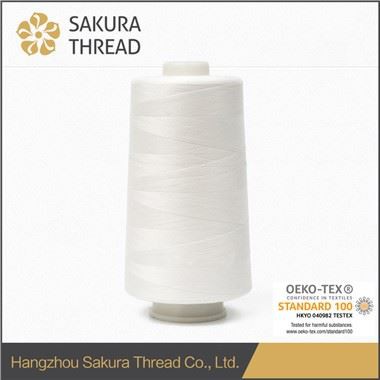
Hey there! As a supplier of Rayon Embroidery Thread, I often get asked about the differences between Rayon Embroidery Thread and silk embroidery thread. So, I thought I'd break it down for you in this blog post.
Material and Production
Let's start with the basics - what they're made of. Silk embroidery thread is derived from the cocoons of silkworms. It's a natural fiber that has been used for embroidery for centuries. The process of making silk is quite labor - intensive. Silkworms spin cocoons, and these cocoons are carefully unwound to obtain long, fine silk filaments. These filaments are then twisted together to form the thread.
On the other hand, rayon embroidery thread is a semi - synthetic fiber. It's made from cellulose, which is usually sourced from wood pulp. The cellulose is chemically processed to create a fiber that mimics the look and feel of natural fibers. The production of rayon is more industrialized compared to silk. It can be mass - produced, which often makes it more affordable.
Appearance
When it comes to appearance, both threads have their own unique charm. Silk embroidery thread has a natural sheen that is incredibly lustrous. It gives a very elegant and luxurious look to any embroidery project. The sheen of silk changes depending on the angle of light, creating a beautiful, dynamic effect.
Rayon embroidery thread also has a nice sheen, but it's a bit different. It has a more consistent and bright sheen compared to silk. Rayon can be produced in a wide range of vivid colors, and the colors tend to be very saturated. So, if you're looking for bold and eye - catching colors in your embroidery, rayon might be the way to go.
Texture
Silk has a soft and smooth texture. It glides through the fabric easily, making it a pleasure to work with. The smoothness also gives the embroidery a very refined finish. However, silk can be a bit delicate, and it might require more careful handling.
Rayon embroidery thread is also smooth, but it has a slightly different feel. It's a bit stiffer than silk, which can be an advantage in some cases. The stiffness helps the thread hold its shape better, especially when doing detailed embroidery work. It's also less likely to snag or break compared to silk.
Durability
In terms of durability, silk is generally quite strong, but it can be affected by factors like sunlight and moisture. Prolonged exposure to sunlight can cause the silk to fade and weaken over time. And if it gets wet, it needs to be dried properly to prevent damage.
Rayon is more resistant to sunlight and moisture compared to silk. It can withstand normal wear and tear better. However, rayon can shrink if it's not washed properly. So, if you're using rayon - embroidered items that need to be washed, it's important to follow the care instructions.
Cost
Cost is an important factor for many people. Silk embroidery thread is more expensive than rayon. The labor - intensive production process and the limited supply of silk contribute to its high cost. If you're on a tight budget or working on a large - scale project, rayon embroidery thread might be a more cost - effective option.
Applications
Silk embroidery thread is often used for high - end, traditional embroidery projects. It's great for heirloom pieces, wedding dresses, and other formal garments. The luxurious look of silk adds a touch of elegance to these types of projects.
Rayon embroidery thread is more versatile in terms of applications. It can be used for a wide range of projects, from home decor items like pillowcases and wall hangings to casual clothing. You can also use it for machine embroidery, as it works well with most embroidery machines.
Polyester Machine Embroidery Thread
If you're interested in exploring other options, Polyester Machine Embroidery Thread is another great choice. Polyester thread is very strong and durable. It's resistant to fading, stretching, and shrinking. It's also available in a wide variety of colors, making it suitable for many different types of embroidery projects.
Fire Retardant Embroidery Thread
For projects that require fire - safety, Fire Retardant Embroidery Thread is a must - consider. This type of thread is treated to resist ignition and slow the spread of fire. It's commonly used in items like uniforms, curtains, and other textiles where fire safety is a concern.
Large Spools Of Embroidery Thread
If you're working on big projects or need a lot of thread, Large Spools Of Embroidery Thread are a great option. They save you the hassle of constantly changing spools and are more cost - effective in the long run.


Why Choose Our Rayon Embroidery Thread
As a supplier of Rayon Embroidery Thread, I can tell you that our thread has some great features. We offer a wide range of colors, so you can find the perfect shade for your project. Our thread is of high quality, with a consistent thickness and a nice sheen. It works well with both hand and machine embroidery.
If you're interested in purchasing our Rayon Embroidery Thread or have any questions about it, don't hesitate to reach out. Whether you're a professional embroiderer or just starting out, we're here to help you with your embroidery needs.
Conclusion
In conclusion, both Rayon Embroidery Thread and silk embroidery thread have their own advantages. Silk offers a luxurious and elegant look, but it comes with a higher price tag and requires more care. Rayon, on the other hand, is more affordable, versatile, and durable. Depending on your project requirements, budget, and personal preferences, you can choose the thread that's right for you.
If you're thinking about starting an embroidery project or need more thread for an ongoing one, consider our Rayon Embroidery Thread. We're confident that you'll be satisfied with the quality and performance of our product. Contact us today to start your next embroidery adventure!
References
- "Embroidery Thread Guide" by Craftsy
- "Textile Fiber Science" by Robert M. Blackburn