


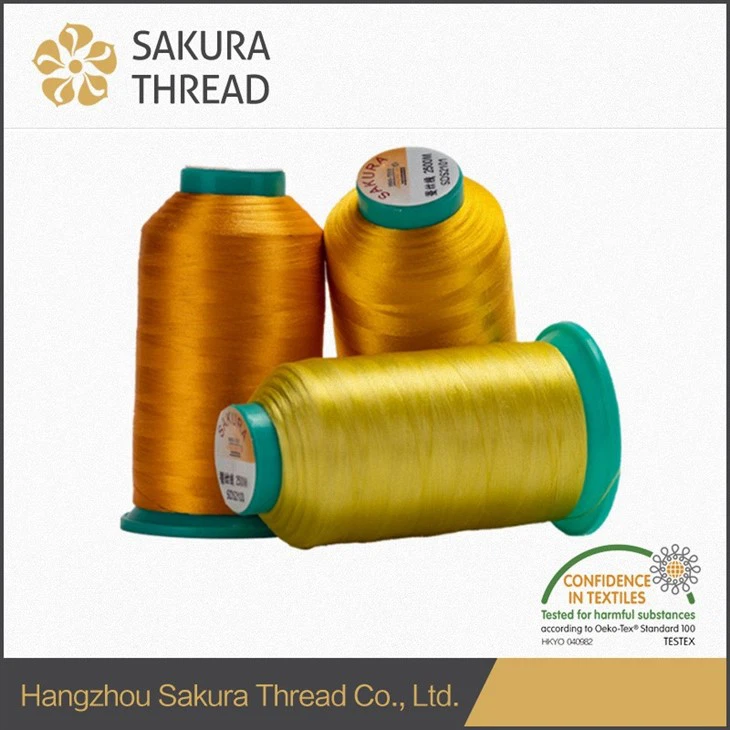
Strength testing of sewing threads is an important step to ensure their quality and performance. Here are several commonly used strength testing methods for sewing threads:
Strength Testing
Strength testing is used to evaluate the strength and tensile properties of sewing threads. In the test, a common method is to stretch the sewing thread to a certain force and measure its breaking strength or breaking tension. This can help determine whether the sewing thread is strong enough to withstand the tensile requirements in a specific application.
Extension Testing
Extension testing is used to evaluate the elongation and elasticity of sewing threads. In the test, a common method is to measure the elongation of the sewing thread under a given force. This can help determine whether the sewing thread will produce too much deformation when stretched and whether it has appropriate elastic recovery properties.
Abrasion Resistance Testing
Abrasion resistance testing is used to evaluate the wear resistance of sewing threads. In the test, a common method is to contact the sewing thread with a standardized abrasive medium (such as sandpaper or metal sheet) and rub it a certain number of times or for a period of time. By observing the wear on the surface of the sewing thread, its wear resistance and anti-wear ability are evaluated.
Durability test
Durability tests are used to evaluate the performance of sewing threads after long-term use or after multiple washing, dry cleaning, etc. These tests can simulate actual use environments and conditions to evaluate the durability and anti-aging performance of sewing threads. For example, multiple round-trip cycle tests, washing cycle tests, heat aging tests, etc. are performed.
The above are some common methods for sewing thread strength testing. These tests can help manufacturers and users understand the quality and performance of sewing threads, thereby ensuring their reliability and durability in actual use.


