Yeah, I'm super stoked to talk about whether RPET embroidery thread can be used for embroidery on linen. As a supplier of RPET embroidery thread, I've got tons of hands - on experience and knowledge about this topic.
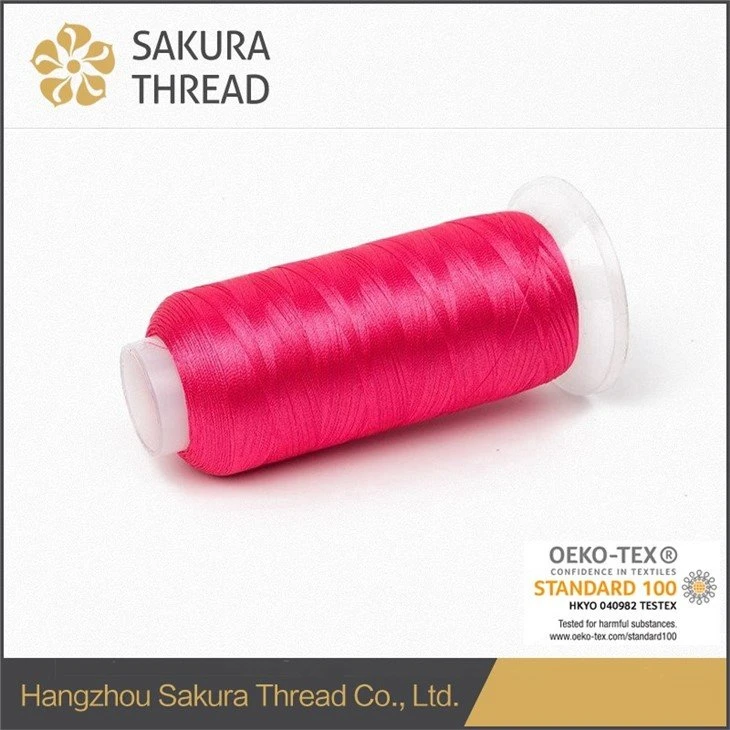
First off, let's get to know what RPET embroidery thread is. RPET stands for recycled polyethylene terephthalate. It's made from recycled plastic bottles, which is not only eco - friendly but also has some pretty cool features. It's strong, durable, and comes in a wide range of vibrant colors. This makes it a popular choice among embroiderers who want to create long - lasting and eye - catching designs.
Now, linen. Linen is a natural fabric made from the fibers of the flax plant. It's known for its breathability, absorbency, and strength. It has a unique texture with a slightly rough and porous surface, which makes it different from other fabrics like cotton or silk.
So, can RPET embroidery thread be used on linen? The answer is a big yes! There are several reasons why this combination works well.
One of the main advantages is the strength of the RPET thread. Linen is a tough fabric, and when you're embroidering on it, you need a thread that can withstand the tension. RPET thread is up to the task. It doesn't break or fray easily, even when you're using complex stitches or working on a large - scale embroidery project. This means you can create detailed and intricate designs without worrying about the thread giving out on you.
Another great thing is the colorfastness of RPET thread. Linen is often used for items that are going to be washed regularly, like tablecloths, napkins, or clothing. RPET thread has excellent colorfastness, which means the colors won't fade or bleed even after multiple washes. Your embroidery will stay bright and beautiful for a long time, maintaining the overall look of the linen item.
In terms of the aesthetic aspect, the combination of RPET thread and linen creates a really interesting look. The smoothness of the RPET thread contrasts nicely with the rough texture of the linen, adding a unique visual appeal to the embroidery. You can use different colors and stitch patterns to make your designs stand out even more.
Let's talk about some of the stitching techniques that work well with RPET thread on linen. One popular technique is the Winding Stitch Embroidery. This stitch creates a thick, textured line that looks great on the linen's surface. It can be used to outline shapes, add details, or create decorative borders.
Another option is to use different types of satin stitches. Satin stitches fill in large areas with a smooth, even surface. When you use RPET thread for satin stitches on linen, it gives the design a rich and luxurious look. You can play around with different stitch directions and densities to create different effects.
Now, compared to other types of embroidery threads, how does RPET thread stack up when used on linen? Let's take a look at Viscose Embroidery Thread and Rayon Embroidery Thread.
Viscose embroidery thread is known for its softness and sheen. It can create a very elegant look on linen. However, it might not be as strong as RPET thread. So, if you're doing a design with a lot of tension or if the item is going to be subjected to a lot of wear and tear, RPET thread is a better choice.
Rayon embroidery thread is also popular for its bright colors and smooth finish. But it can be a bit more delicate than RPET thread. Rayon might fade more easily over time, especially with frequent washing. RPET thread's colorfastness gives it an edge in this regard, especially for linen items that are going to be used and washed regularly.
When it comes to actually using RPET thread on linen, there are a few tips I can share. First, make sure your linen fabric is pre - washed. This helps to shrink the fabric and prevent any further shrinkage after the embroidery is done. It also makes the fabric a bit softer and easier to work with.
Second, choose the right needle. A sharp needle is usually a good choice for linen because it can easily penetrate the fabric without causing too much damage. The size of the needle depends on the thickness of the RPET thread you're using. Generally, a size 90/14 or 100/16 needle works well for most RPET threads on linen.
Finally, adjust your sewing machine settings. You might need to increase the tension slightly to ensure the RPET thread stitches smoothly on the linen. You can also experiment with different stitch lengths and widths to get the best results.
In conclusion, RPET embroidery thread is a fantastic option for embroidery on linen. Its strength, colorfastness, and aesthetic appeal make it a great choice for a wide range of embroidery projects on this natural fabric. Whether you're a professional embroiderer or just starting out as a hobbyist, I highly recommend giving RPET thread a try on your next linen project.
If you're interested in purchasing RPET embroidery thread for your linen embroidery needs, don't hesitate to reach out. We've got a wide selection of colors and qualities to choose from, and we're always happy to help you find the perfect thread for your project. Let's start creating some amazing embroidery together!
References:

- General knowledge about embroidery threads and fabrics from years of experience in the industry.
- Research on the properties of RPET, viscose, and rayon embroidery threads.