When it comes to sewing, the quality of the sewing thread plays a pivotal role in determining the durability of the seam. As a dedicated sewing thread supplier, I've witnessed firsthand how the characteristics of sewing thread can make or break the longevity of a seam. In this blog, I'll delve into the various aspects of sewing thread quality and its impact on seam durability.
Tensile Strength
One of the most crucial factors in sewing thread quality is its tensile strength. Tensile strength refers to the maximum amount of stress a thread can withstand before breaking. A high - quality sewing thread with superior tensile strength is less likely to snap during the sewing process or under normal wear and tear.
For instance, our Para Aramid Sewing Thread is renowned for its exceptional tensile strength. Aramid fibers are known for their high strength - to - weight ratio, making them ideal for applications where the seam needs to withstand heavy loads. In industries such as aerospace and automotive, where safety and durability are of utmost importance, para - aramid sewing thread is often the go - to choice. When used in these applications, the high tensile strength of the thread ensures that the seams remain intact even under extreme conditions.
On the other hand, a low - quality thread with poor tensile strength may break easily, leading to seam failure. This can be a significant problem, especially in products that are subjected to frequent stress, such as clothing, upholstery, and outdoor gear. A broken seam not only affects the appearance of the product but also compromises its functionality.
Abrasion Resistance
Abrasion resistance is another key aspect of sewing thread quality that affects seam durability. Abrasion occurs when the thread rubs against other materials, such as fabric, zippers, or buttons. A thread with good abrasion resistance can withstand this rubbing without fraying or breaking.
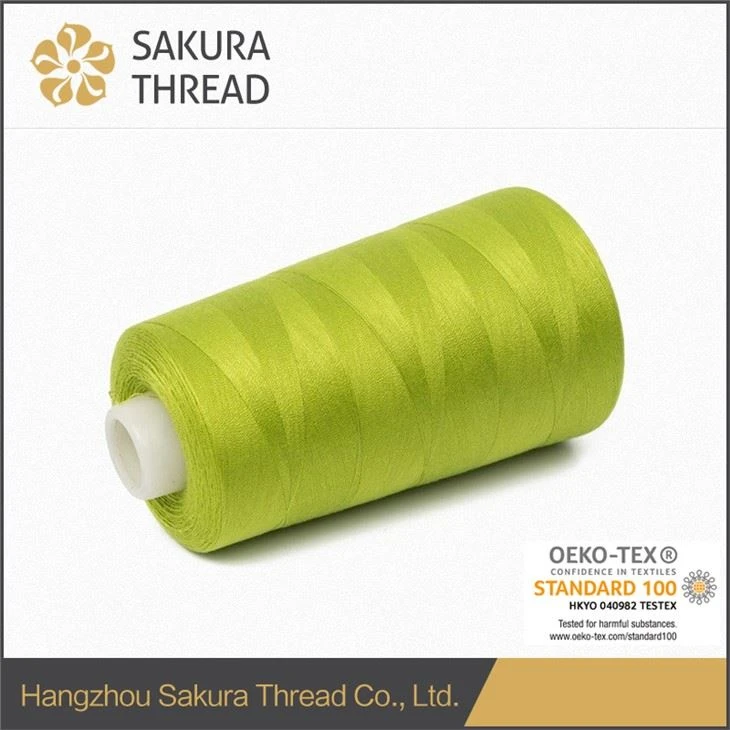
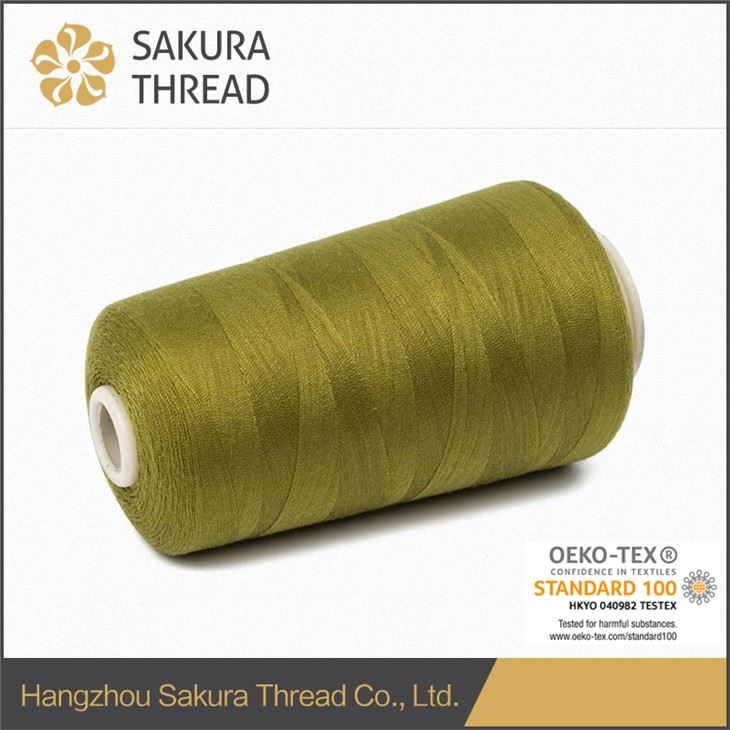
Our Tex30 Sewing Thread is designed to have excellent abrasion resistance. This makes it suitable for a wide range of applications, including heavy - duty sewing projects. In denim manufacturing, for example, the thread needs to be able to withstand the rough handling and constant friction that denim fabric experiences. The Tex30 sewing thread can maintain its integrity even after repeated abrasion, ensuring that the seams in denim products remain strong and durable.
In contrast, a thread with poor abrasion resistance will start to fray quickly, weakening the seam. This can lead to the seam coming apart over time, especially in areas where there is a lot of movement or friction.
Elasticity
Elasticity is an important characteristic of sewing thread, especially in applications where the fabric needs to stretch. A thread with the right amount of elasticity can stretch along with the fabric without breaking, ensuring that the seam remains intact.
Our High Strength Polyester Cored Sewing Thread offers a good balance of strength and elasticity. The polyester core provides high strength, while the outer layer can stretch to accommodate the movement of the fabric. This makes it suitable for sewing stretchy fabrics such as spandex and jersey. In sportswear, where the fabric needs to stretch and move with the body, this type of thread ensures that the seams can withstand the constant stretching and bending without failing.
If a thread lacks elasticity, it may snap when the fabric stretches, causing the seam to break. This is particularly problematic in products that require a high degree of flexibility, such as swimwear and activewear.
Colorfastness
Colorfastness is also an important factor in sewing thread quality. A thread with good colorfastness will not fade or bleed when exposed to various conditions, such as washing, sunlight, or chemicals. This is crucial for maintaining the appearance of the seam over time.
In our product line, we ensure that our sewing threads have high colorfastness. This is achieved through advanced dyeing processes and the use of high - quality dyes. In industries such as fashion and home decor, where the appearance of the product is important, colorfast threads are essential. A faded or bleeding seam can significantly reduce the aesthetic appeal of the product.
Compatibility with Fabric
The compatibility of the sewing thread with the fabric is another aspect that affects seam durability. Different fabrics have different characteristics, such as weight, texture, and stretchability. A thread that is not compatible with the fabric may not hold the seam properly, leading to seam failure.
For example, when sewing a heavy - weight fabric like canvas, a thick and strong thread is required. Using a thin thread on a heavy - weight fabric may result in the thread being unable to hold the fabric together, causing the seam to come apart. On the other hand, when sewing a lightweight fabric like silk, a fine and delicate thread is more appropriate. A thick thread may damage the fabric and create an unsightly seam.
Conclusion
In conclusion, the quality of the sewing thread has a profound impact on the durability of the seam. Tensile strength, abrasion resistance, elasticity, colorfastness, and compatibility with the fabric are all important factors to consider when choosing a sewing thread. As a sewing thread supplier, we are committed to providing high - quality threads that meet the diverse needs of our customers.
If you are in the market for high - quality sewing threads and want to discuss your specific requirements, we would be more than happy to assist you. Whether you are a small - scale tailor or a large - scale manufacturer, we have the right thread for your project. Contact us today to start a conversation about your sewing thread needs.
References
- ASTM International. (2023). ASTM D2256 - 23 Standard Test Method for Tensile Properties of Yarns by the Single - Strand Method.
- ISO. (2022). ISO 13934 - 1:2022 Textiles - Tensile properties of fabrics - Part 1: Determination of maximum force and elongation at maximum force using the strip method.