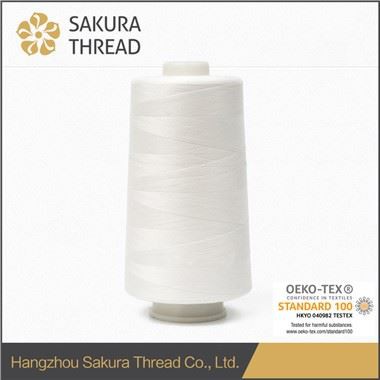
Exploring the art of spider stitch with silk embroidery thread is a captivating journey that combines the elegance of silk with the intricate beauty of this unique stitch. As a trusted silk embroidery thread supplier, I'm excited to share insights on how to use silk embroidery thread for spider stitch, offering a blend of traditional techniques and modern creativity.
Understanding Silk Embroidery Thread
Silk embroidery thread is renowned for its luxurious sheen, softness, and strength. It comes in a wide array of colors, allowing for endless creative possibilities. Our White Mulberry Silk Embroidery Thread is a prime example, sourced from high - quality white mulberry silk. The natural luster of silk gives the spider stitch a rich and vibrant appearance, making it stand out on any fabric.
Advantages of Silk for Spider Stitch
- Smoothness: Silk threads glide easily through the fabric, which is crucial for the fluid and continuous movement required in spider stitch. This smoothness ensures that the threads do not bunch up or break, resulting in a clean and professional finish.
- Color Retention: Silk has excellent color - fastness, meaning that the colors of the spider stitch will remain vivid and bright for a long time. Whether you're creating a decorative piece for your home or a personalized gift, the colors of the silk thread will withstand the test of time.
- Flexibility: The flexibility of silk thread allows for greater manipulation in the spider stitch. You can create delicate and intricate patterns with ease, as the thread can be bent and shaped without losing its integrity.
Preparing for Spider Stitch with Silk Thread
Choosing the Right Fabric
The fabric you choose plays a significant role in the outcome of your spider stitch. Light - to medium - weight fabrics such as cotton, linen, or silk are ideal. These fabrics allow the silk embroidery thread to penetrate easily and hold its shape. Avoid using heavy or thick fabrics, as they may make it difficult to form the intricate loops of the spider stitch.
Selecting the Silk Thread
Our range of silk embroidery threads offers different thicknesses and colors. For spider stitch, a medium - weight thread is usually a good choice. It provides enough substance to create visible loops without being too bulky. You can also mix different colors of silk thread to add depth and dimension to your stitch. If you're looking for a more sustainable option, our Recycled Polyester Embroidery Thread can also be used in combination with silk for an interesting effect.
Tools You'll Need
- Embroidery Needles: Choose a sharp, fine - pointed embroidery needle that is suitable for the thickness of your silk thread. A size 8 or 10 needle is typically a good choice for medium - weight silk thread.
- Scissors: Sharp embroidery scissors are essential for cutting the silk thread cleanly.
- Embroidery Hoop: An embroidery hoop helps to keep the fabric taut, making it easier to stitch uniformly. Select a hoop that is slightly larger than your intended embroidery area.
Mastering the Spider Stitch Technique with Silk Thread
Starting the Stitch
- Secure the Thread: Bring the silk thread up through the fabric at the center point where you want to start the spider stitch. Leave a short tail on the back of the fabric and secure it with a few small stitches.
- Create the First Loop: Take the needle and bring it back down through the fabric a short distance from the starting point, creating a small loop on the surface of the fabric.
- Anchor the Loop: Pass the needle under the loop and bring it back up through the fabric next to the loop. This anchors the loop in place.
Building the Spider Stitch
- Add More Loops: Continue creating loops around the center point, spacing them evenly. Each loop should be anchored in the same way as the first one. As you add more loops, the spider stitch will start to take shape.
- Vary the Length and Angle: To create a more dynamic spider stitch, you can vary the length of the loops and the angle at which they are stitched. Longer loops will give the stitch a more open and airy look, while shorter loops will create a denser pattern.
- Connect the Loops: As you progress, you can connect some of the loops together to add more structure to the spider stitch. This can be done by passing the needle through adjacent loops.
Advanced Tips for Using Silk Thread in Spider Stitch
Combining with Other Stitches
Spider stitch can be combined with other embroidery stitches to create more complex and interesting designs. For example, you can use satin stitch to fill in the center of the spider stitch or add French knots around the edges for a decorative touch.


Using Different Thread Weights
Mixing different weights of silk thread can add depth and texture to your spider stitch. You can use a thinner thread for the outermost loops and a thicker thread for the center to create a focal point.
Creating Patterns
You can create patterns with spider stitch by varying the color sequence of the silk thread. For instance, you can use a gradient of colors or create a checkerboard pattern. Our Matt Embroidery Thread can be used in combination with shiny silk thread to add contrast.
Maintenance and Care of Silk Embroidery with Spider Stitch
Since silk is a delicate material, it requires special care. When cleaning the embroidered piece, gently hand - wash it in lukewarm water with a mild detergent. Avoid wringing or twisting the fabric, as this can damage the silk thread and distort the spider stitch. After washing, lay the fabric flat to dry and iron it on a low - heat setting, preferably with a cloth between the iron and the embroidery to prevent direct heat damage.
Exploring Different Applications of Silk Spider Stitch
Clothing Embellishment
Spider stitch with silk thread can be used to embellish clothing items such as shirts, blouses, and dresses. You can create a focal point on the collar, cuffs, or hemline. Our Luminous Embroidery Thread For Clothing can be used to add a unique touch, especially for evening wear.
Home Decor
Embroidering spider stitch on tablecloths, pillowcases, or wall hangings can add a touch of elegance to your home. You can use different colors of silk thread to match your interior decor. For a more rustic look, you can use our Small Spool 40 Cone Polyester Embroidery Thread in combination with silk.
Conclusion
Using silk embroidery thread for spider stitch is a rewarding and creative process. The combination of the luxurious silk and the intricate spider stitch can result in stunning works of art. Whether you're a beginner or an experienced embroiderer, there are endless possibilities to explore.
If you're interested in purchasing high - quality silk embroidery thread for your spider stitch projects or have any questions about our products, we invite you to contact us for procurement discussions. We are committed to providing the best products and services to meet your embroidery needs.
References
- "The Complete Book of Embroidery Stitches" by Lesley Stanfield
- "Embroidery: A Beginner's Guide" by Jane Nicholas